
Introduction
Frontend development is one of the most in-demand skills in the tech industry. If you’re interested in building websites, creating user interfaces, and making interactive applications, becoming a frontend developer is a great career choice. In this roadmap, I’ll guide you step by step on how to become a frontend developer in 2025.
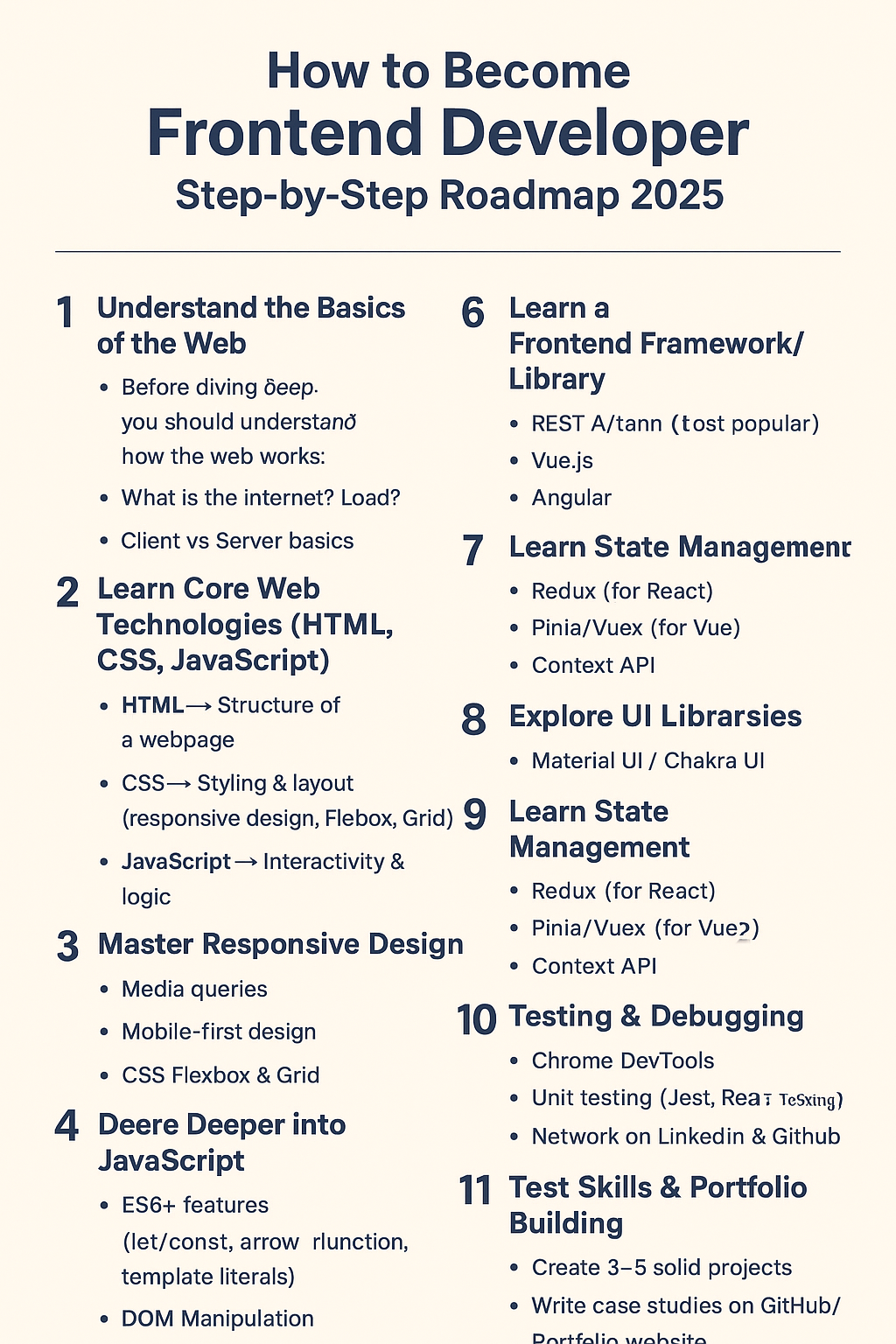
Understand the Basics of the Web
Before diving deep, you should understand how the web works:
- What is the internet?
- How does a website load?
- Client vs Server basics
This foundation will help you connect the dots when learning coding.
Learn Core Web Technologies (HTML, CSS, JavaScript)
These are the building blocks of frontend development:
- HTML → Structure of a webpage
- CSS → Styling & layout (responsive design, Flexbox, Grid)
- JavaScript → Interactivity & logic
👉 Start small projects like a personal portfolio website, a to-do list, or a landing page.
Master Responsive Design
Users browse on different devices. Learn how to make websites responsive:
- Media queries
- Mobile-first design
- CSS Flexbox & Grid
Version Control with Git & GitHub
A must-have skill for every developer.
- Learn Git commands (clone, commit, push, pull)
- Host your projects on GitHub to showcase them
Dive Deeper into JavaScript
Go beyond the basics:
- ES6+ features (let/const, arrow functions, template literals)
- DOM Manipulation
- Fetch API & JSON
- Event handling
Learn a Frontend Framework/Library
Once you’re comfortable with vanilla JS, pick a framework:
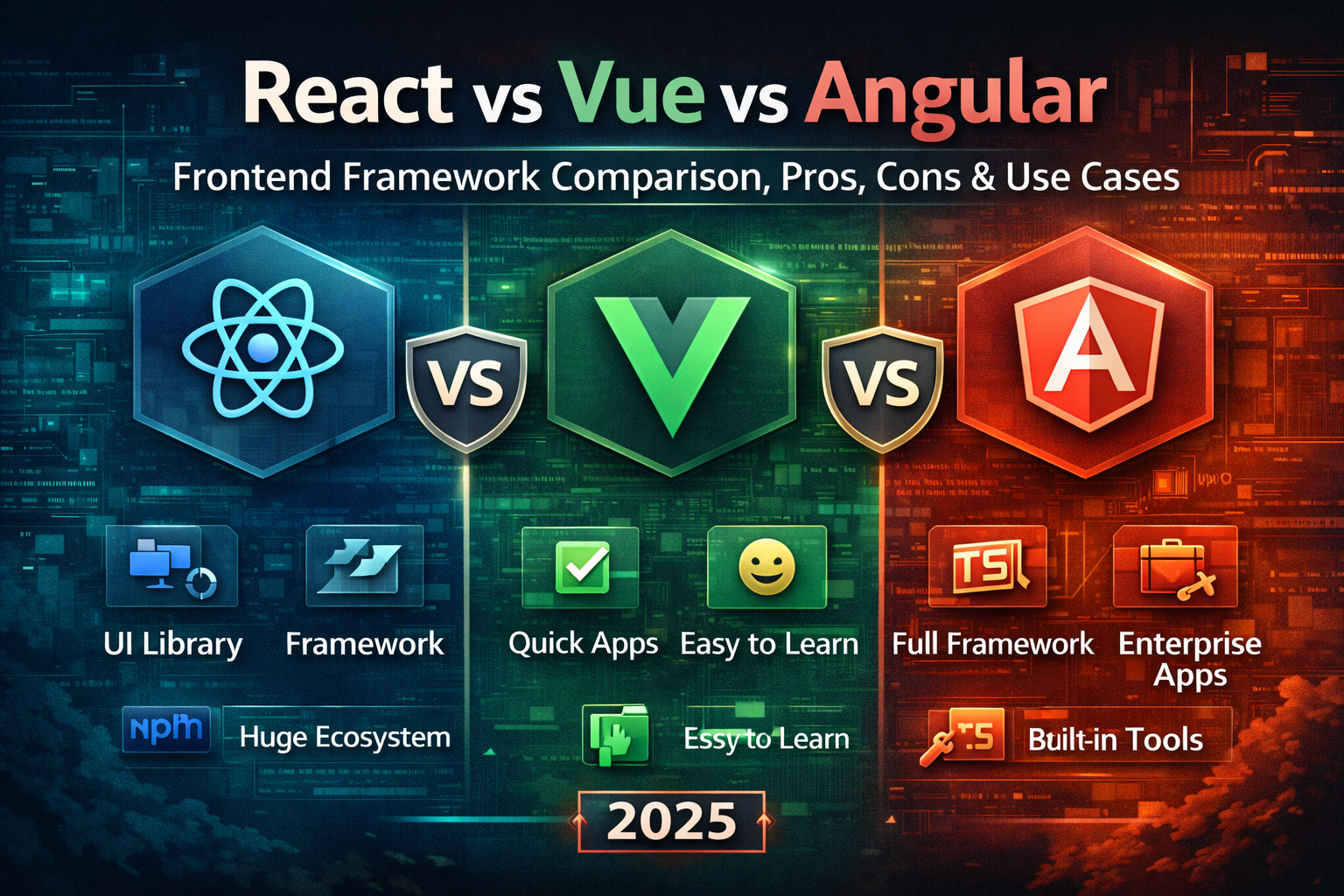
- React.js (most popular)
- Vue.js
- Angular
👉 Build projects like an e-commerce cart, weather app, or blog site.
Understand Package Managers & Build Tools
- NPM / Yarn → managing packages
- Vite / Webpack / Parcel → bundling & optimization
Work with APIs
Almost every project requires connecting to APIs:
- REST APIs
- GraphQL
- Fetch & Axios
Explore UI Libraries & CSS Frameworks
- Bootstrap / Tailwind CSS
- Material UI / Chakra UI
This speeds up development and makes your UI look professional.
Learn State Management
As apps grow, managing data gets complex.
- Redux (for React)
- Pinia/Vuex (for Vue)
- Context API
Testing & Debugging
- Chrome DevTools
- Unit testing (Jest, React Testing Library)
Soft Skills & Portfolio Building
- Create 3–5 solid projects
- Write case studies on GitHub/Portfolio website
- Network on LinkedIn & GitHub
- Learn how to communicate with designers & backend developers
Conclusion
Becoming a frontend developer takes consistent practice and patience. By following this roadmap, you’ll learn everything from basic HTML to advanced React and testing. Keep building projects, stay updated with the latest trends, and you’ll be job-ready in no time.
✅ Pro Tip: Always learn by building projects. Theory gives knowledge, but projects give you real experience.



Discussion (0)
Leave a comment